
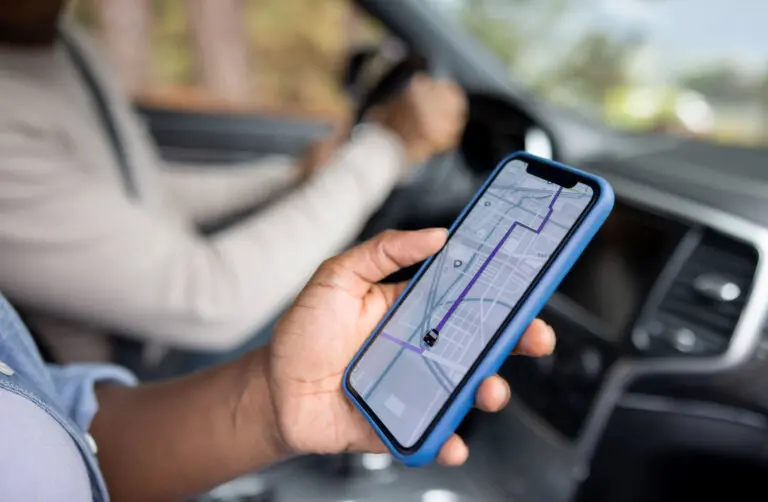
Rideshare accidents involve different insurance and liability rules than standard car crashes. If you were injured in an Uber or Lyft accident in Connecticut, the outcome of your claim often depends on whether the driver was logged into the app and what stage of the trip was underway. At Stanfield Law Firm, we represent passengers, rideshare drivers, and third parties in these cases, focusing on identifying all applicable insurance coverage and pursuing compensation when insurers delay, deny, or shift responsibility.
Why Choose Stanfield Law Firm for Your Rideshare Accident Case
Rideshare claims require careful attention to timing, coverage tiers, and insurer strategy. We handle these cases with a clear plan from the start.
- Experience handling complex motor vehicle injury claims across Connecticut
- Familiarity with Uber and Lyft insurance structures and coverage disputes
- Direct communication and practical guidance at every stage of the claim
- A litigation-ready approach when insurers refuse fair settlement offers
Our goal is to reduce uncertainty for you while building a claim that reflects the full impact of your injuries.
How Ridesharing Accidents Are Different From Other Car Accidents
Rideshare drivers are classified as independent contractors, not employees. That classification affects which insurance policy applies after a crash. Instead of a single policy, rideshare cases often involve layered coverage that changes based on the driver’s status in the app at the time of the collision.
This distinction is often the central issue in a ridesharing injury claim and one of the main reasons these cases become contested.
Connecticut Rideshare Insurance Coverage Thresholds
Connecticut law requires transportation network companies to carry specific insurance coverage for their drivers. The available coverage depends on the driver’s activity at the time of the crash.
Driver logged out of the app
Only the driver’s personal auto insurance applies.
Driver logged in and available for a ride (no trip accepted)
Minimum third-party liability coverage of:
- $50,000 per person
- $100,000 per accident
- $25,000 for property damage
Driver en route to pick up a passenger or transporting a passenger
- Up to $1 million in liability coverage
- Uninsured and underinsured motorist coverage may also apply
Knowing which coverage tier applies can determine whether compensation is available and how much may be recovered.
Who May Be Liable After a Rideshare Accident in Connecticut
Liability in a ridesharing crash may rest with one or more parties, depending on the facts.
- The rideshare driver
- Another negligent motorist
- Multiple drivers in a shared-fault scenario
- Insurance carriers for the driver, the rideshare company, or both
Connecticut law treats rideshare drivers as independent contractors for employment status purposes, and accident claims typically center on insurance obligations rather than direct corporate liability claims against the rideshare company itself. That makes early investigation and documentation especially important.
What to Do After a Ridesharing Accident
The steps you take after a ridesharing crash can directly affect the strength of your claim. If you are able, take the following actions as soon as possible:
- Call 911 and request medical assistance. Ask law enforcement to prepare a police report documenting the date, location, and parties involved in the crash. Make sure the local police are involved to provide documentation of what happened.
- Seek medical care right away. Get evaluated even if your symptoms seem minor, since some injuries take time to appear, and medical records matter.
- Document the scene. Take photos of the vehicles, road conditions, and visible injuries. Save screenshots from the rideshare app showing trip status, driver details, and timing.
- Gather information. Collect names and contact details of all witnesses and drivers involved, along with insurance information.
- Be cautious with insurers. Avoid recorded statements or detailed explanations before speaking with counsel, as rideshare insurers often act quickly to reduce exposure.
How We Build Rideshare Accident Claims
We focus on establishing coverage, fault, and damages early in the process. That includes:
- Confirming the driver’s app status at the time of the crash
- Identifying all applicable insurance policies
- Working with medical providers to document injury impact
- Valuing both immediate and long-term losses
If negotiations stall, we are prepared to move the case into litigation.
Contact a Connecticut Ridesharing Accident Attorney
If you were injured in a rideshare accident, insurance disputes should not stand between you and recovery. We will evaluate your case, explain which coverage applies, and pursue compensation that reflects what you have been through. Contact Stanfield Law Firm to discuss your options and next steps.
Ridesharing Accident FAQ
Do Uber or Lyft always provide coverage after a crash?
Coverage depends on whether the driver was logged into the app and whether a trip had been accepted or was in progress.
Can passengers file a claim even if the rideshare driver was not at fault?
Yes. Claims may be brought against another negligent driver, and rideshare uninsured or underinsured coverage may apply.
What if the rideshare driver’s personal insurer denies the claim?
That is common in these cases. We review all available policies to determine which insurer is responsible.
How long do I have to file a rideshare injury claim in Connecticut?
Most personal injury claims must be filed within two years, but we advise to always call an attorney as soon as possible because early action helps preserve evidence and coverage. Additionally, sometimes it takes some time to investigate all details and file suit when necessary.